Seawashed Denim
Seawashed Denim is the material outcome of how we work.
Each garment begins as raw, American-made selvedge and is aged in real marine environments rather than processed in a factory. The goal is not to create a pre-worn look, but to let the fabric settle naturally through exposure, movement, and time.
What emerges is denim that feels lived-in and familiar, without being artificially broken down.
The Fabric
We work primarily with premium deadstock American selvedge denim, including fabric woven at Cone Mills’ White Oak Plant in Greensboro, North Carolina. Produced on vintage Draper shuttle looms, this denim is dense, resilient, and capable of withstanding extended time in saltwater.
This style of selvedge holds its structure as it softens, allowing the fabric to relax without losing strength or shape.
How Seawashing Works
Seawashing relies on repetition and duration rather than abrasion or chemistry.
Saltwater gradually relaxes cotton fibers. Tidal motion works the fabric through steady movement rather than impact. Sunlight interacts with indigo slowly and unevenly. In some environments, fine organic matter and sediment may come into contact with the surface before being washed away.
These forces act over days and weeks, not minutes.
Nothing is rushed. Nothing is imposed.
Time at Sea
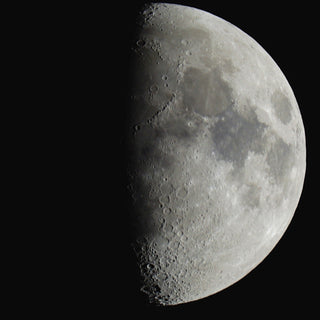
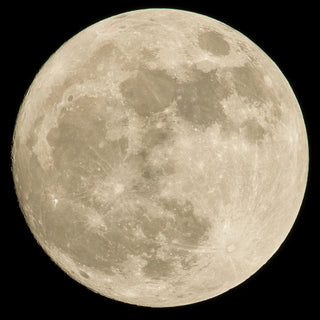
We use lunar cycles as a practical framework for determining how long a garment remains in the water. Longer exposure leads to greater softening and more visible change, not because the result is designed in advance, but because the fabric has simply lived longer in its environment.
Shorter durations tend to preserve deeper indigo and minimal visual change. Longer durations may allow clearer tonal variation or higher contrast to develop. Both outcomes are valid.
Clean, Not Compromised
Traditional selvedge break-in often requires years of wear paired with minimal washing, which can lead to stiffness, odor, and eventual fabric fatigue.
Seawashed Denim shortens that arc without shortcuts.
The fabric emerges already relaxed and responsive, while remaining clean, durable, and structurally sound. Over time, it continues to adapt to the wearer through use rather than resisting it.
Variation Is the Record
No two seawashed garments are the same.
Even within the same method and duration, changes in tide, temperature, light, and movement influence the outcome. Some pieces remain quiet and uniform. Others develop more visible contrast.
These differences are not corrected.
They are the record of what happened.
Methods & Environments
Seawashed Denim is shaped through specific methods and environments, each defined by where and how the garment is aged.
Surface-aged pieces follow the LunarTide™ Method, with expressions including OYSTR-WASH, JETTY-WASH, and COATUE-WASH. Each environment interacts with the fabric differently, producing distinct results while adhering to the same underlying discipline.
Additional approaches, such as the DeepWater™ Method, extend this logic into colder, deeper conditions.
To understand how these methods differ, see Methods & Environments.
Made to Be Used
Because seawashing avoids aggressive abrasion and chemical breakdown, the strength of the fabric is preserved.
Seawashed Denim is meant to be worn often, washed when needed, repaired when necessary, and kept in use for a long time.
It settles in, rather than wearing out.
Nothing added that doesn’t belong.
Nothing taken away that matters.